Nobody is flying to Geneva anymore
The motor show did not die of a pandemic. It died because manufacturers worked out they could own the moment instead of renting a slot at someone else’s.
We delivered McLaren’s presence at the Geneva International Motor Show year after year. Across those seven shows there were 151 world and European debuts on that floor, ten thousand media in attendance, and a genuine sense that this was where the industry decided what mattered. It is not coming back in that form, and the reasons are more interesting than covid.
What actually changed
A motor show gives you a fixed date, a fixed footprint, a fixed set of neighbours and an audience split between twelve other manufacturers. You are paying a great deal to be compared, in a hall, on a Tuesday.
Meanwhile the thing that decides a launch now is what happens on a screen. When we launched the Aston Martin DBX707, it was built as a broadcast first: a twenty minute show with Tess Daly hosting, drone footage, multi-camera, LED. Over 500,000 views in the first week. No hall could deliver that audience, and no hall was needed.
The question stopped being how many people walk past the stand, and became how many people see the moment.
Where the money went instead
Three places, in our experience.
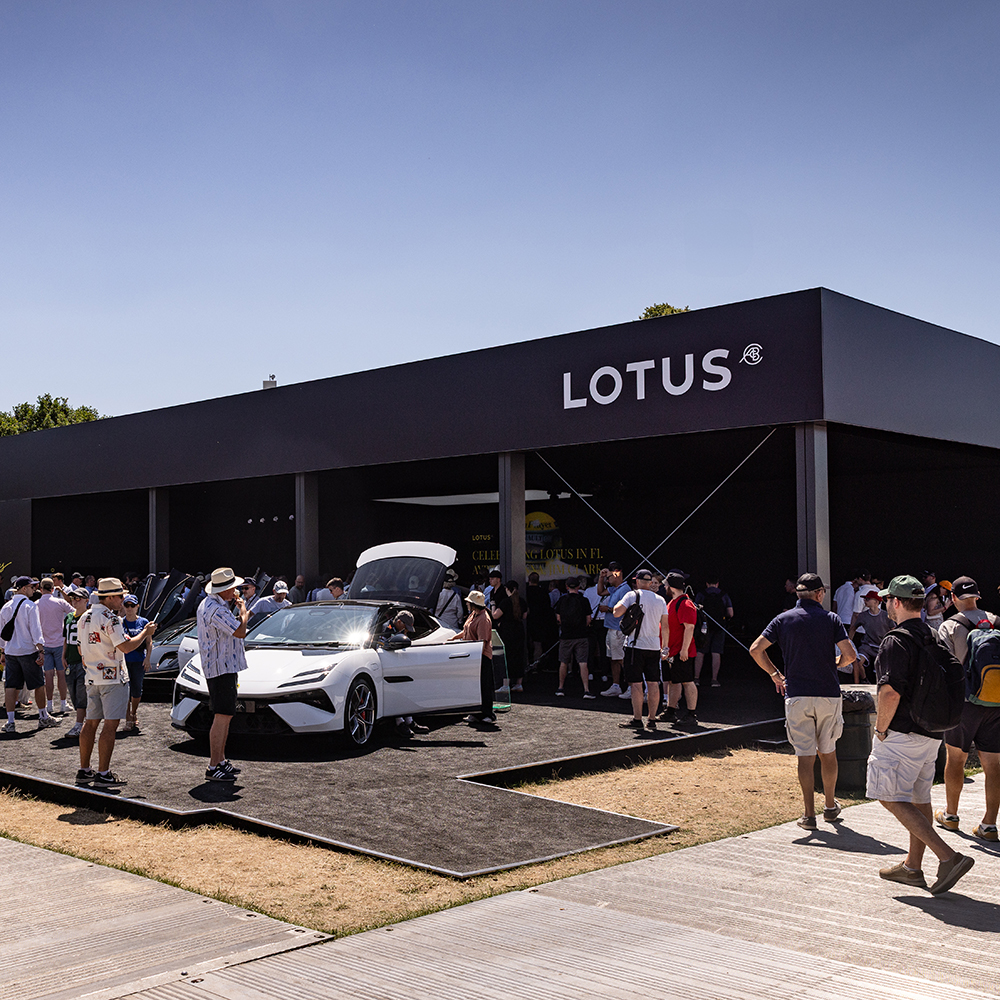
- Festivals with an audience that already wants to be there. Goodwood is now a genuine launch platform, not a display cabinet, and the brands treating it that way get results a hall never gave them.
- Spaces nobody expects. An event hall at Farnborough International for BYD. A working production line at Aston Martin. A Roundhouse in Camden for an awards night. Context does the work that square metres used to.
- Owned formats built for content. The Pirelli Fan Zone exists to be participated in and filmed, not walked past.
What it means for how you brief
The metric shifted and a lot of briefs have not caught up. Footfall was the right number for a hall. It is a weak number for a launch. What we get asked for now, and what we report on, tends to be reach, dwell, engagement and PR value: 324 million reach for a single awards night, one million pounds in direct PR value from a weekend at Goodwood.
The practical consequence is that content cannot be a line item added after the design is signed off. Camera positions, lighting states and the shape of the reveal have to be designed together, or you build something that works beautifully for four hundred people and poorly for four hundred thousand.
Customers do not just want to see cars. They want to feel them, and increasingly they want to feel them from a phone.